
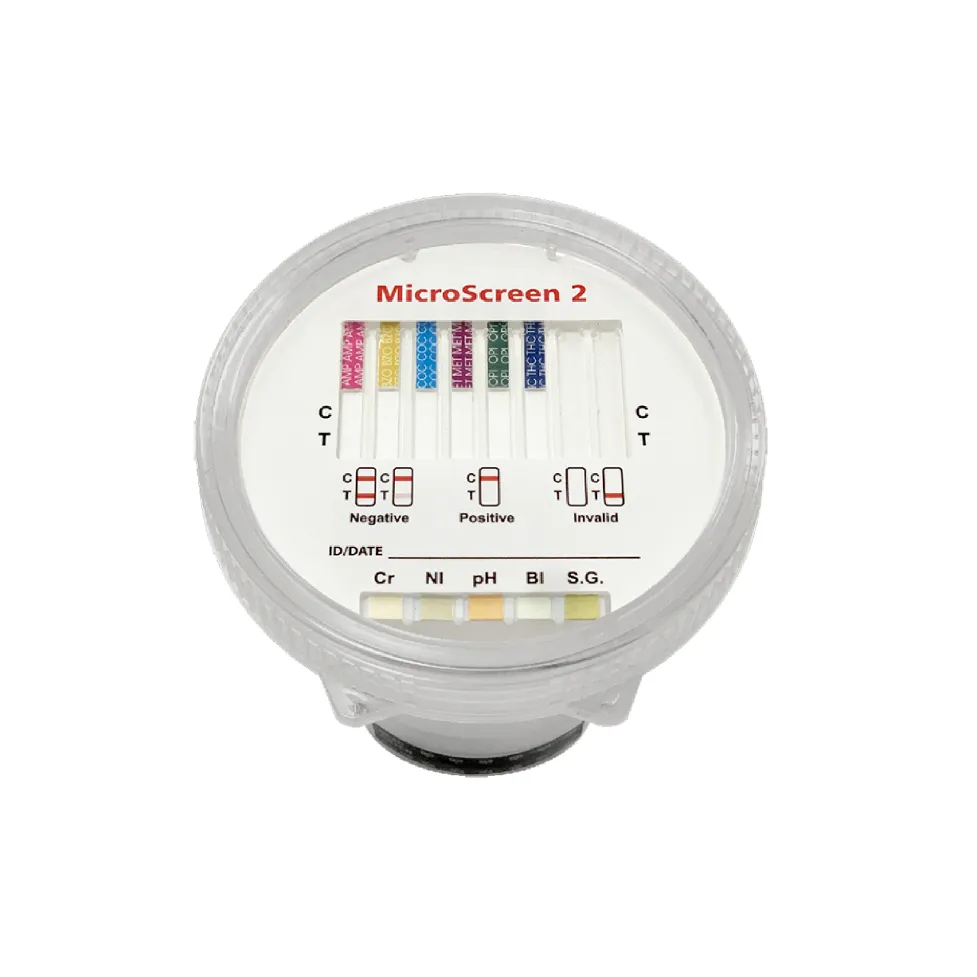
Recruiting for a safety-sensitive role can involve several checks before a person starts work. Employers may assess qualifications, training and appropriate workplace screening. Selecting a pre employment drug test kit nz should therefore come after decisions about policy, consent and the risks of the specific role. The device itself is only a preliminary screening tool. Employers also need trained collectors, suitable documentation and a fair process for managing results without treating a rapid indication as proof of impairment.
Start With the Job’s Real Risks
A worker operating heavy machinery may face different hazards from someone in a low-risk administrative role. Before introducing screening, identify the duties that raise genuine safety concerns and the controls already in place. Testing should not be selected simply because another employer uses it.
Review employment agreements, privacy requirements and relevant New Zealand guidance. Prospective employees should know why a test is proposed, what information will be collected and how it may affect recruitment decisions. Legal advice can clarify the process.
Understand What Multi-Panel Means
A multi-panel urine screening cup checks for specified drug categories using a defined set of cut-off levels. The number of panels does not guarantee coverage of every substance. Check each product label and technical documentation.
Businesses comparing multi panel drug test nz options should confirm which substances the selected device detects. The MicroScreen 2 product, for example, lists six drug categories and specimen-validity indicators. Its instructions address confirmation.
Understand What Results Cannot Prove
A urine screen identifies the possible presence of drug metabolites or substances at specified thresholds. It does not directly demonstrate current impairment, establish exactly when a substance was consumed or independently determine workplace misconduct.
False positive or non-negative indications and invalid samples require an appropriate response. Employers should have a documented confirmation process and avoid making final adverse decisions based only on a preliminary cup. Relevant medication information must also be handled sensitively and appropriately.
Treat Collection as a Professional Task
The way a specimen is obtained, labelled, handled and interpreted influences the usefulness of the result. Collectors should understand the manufacturer’s instructions, timing requirements, temperature checks where applicable and the conditions that invalidate a test.
Provide an appropriate private collection environment and explain the procedure beforehand. A recruitment candidate should not be embarrassed publicly or asked to disclose personal medical details to people who have no legitimate need to know them. Confidential records should remain restricted.
Build a Consistent Testing Checklist
Before implementing a programme, assign responsibility for collection, interpretation, reporting and follow-up. Consistency is particularly important when several hiring managers work across different sites.
A practical checklist includes:
-
Confirming that testing is justified for the role.
-
Explaining consent and privacy arrangements.
-
Checking device expiry and storage requirements.
-
Training personnel in collection and timing procedures.
-
Referring non-negative results for required confirmation.
Keep written records of procedures, not casual verbal interpretations. A standard approach helps reduce confusion and supports fair treatment of candidates.
Review Standards and Product Details
The supplier describes the MicroScreen 2 urine cup as verified against AS/NZS 4308:2023. However, employers should check exactly what the verification covers and whether the complete collection and laboratory pathway meets the programme’s requirements.
Do not assume every urine kit sold in the same category has identical cut-offs or specimen checks. Confirm the appropriate documentation, packaging, shelf life and availability before ordering quantities for an extended recruitment period.
Coordinate Testing With Recruitment Timelines
Hiring schedules can become difficult when results need additional review. Allow room for confirmation, professional interpretation and communication with the candidate. A rushed decision can create more problems than a short delay.
The process should also explain what happens if a sample cannot be collected properly or a result is invalid. Candidates deserve consistent procedures.
Make Screening One Part of Safety
Even a carefully administered programme cannot replace equipment training, fatigue controls, competent supervision or reporting of hazards. Workplace fitness involves more than the presence or absence of a particular substance in a sample.
Review the policy periodically as roles, risks and testing technologies change. Employers should be prepared to explain why the programme remains necessary and whether it operates proportionately for the people affected.
Conclusion
Pre-employment urine screening should be built around safety, clear consent and reliable processes rather than a quick test alone. Device specifications, trained collection, confirmation of non-negative findings and confidential communication all matter. Employers comparing workplace screening supplies in New Zealand can find product information at directdrugtesting.co.nz. Choosing a suitable kit is useful only when the surrounding programme respects candidate rights, follows relevant standards and supports decisions grounded in evidence rather than assumptions about impairment.
