
Parents often focus on milestones such as learning to walk, talking, and doing well in school, but one of the most important indicators of a child’s health is something measured at every wellness visit—height. While children naturally grow at different rates, consistent growth is a sign that the body is developing properly. When growth slows unexpectedly, it can sometimes point to an underlying medical issue that deserves attention.
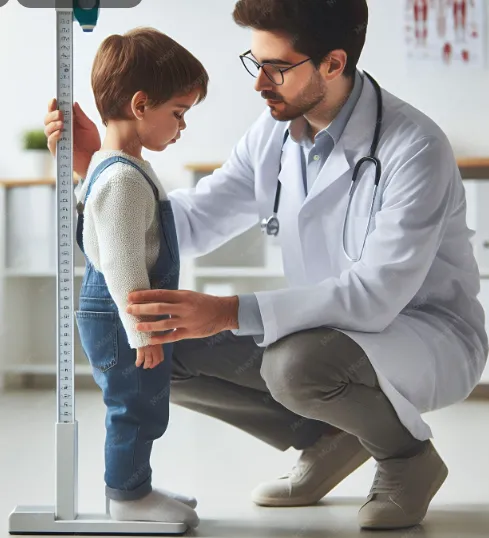
Understanding how childhood growth works can help parents recognize when additional evaluation may be beneficial.
Growth Is a Window Into Overall Health
Height isn’t determined by genetics alone. Healthy growth depends on multiple systems working together, including the endocrine, digestive, skeletal, and immune systems.
Factors that influence normal growth include:
-
Family genetics
-
Balanced nutrition
-
Hormone production
-
Quality sleep
-
Physical activity
-
Thyroid health
-
Chronic medical conditions
-
Puberty timing
Because so many factors affect growth, changes in height can occasionally be one of the earliest signs that something else is happening inside the body.
Looking Beyond the Height Chart
Many parents worry simply because their child is one of the shortest in class. However, healthcare providers are usually more interested in how a child is growing rather than where they rank compared to classmates.
A child who consistently follows the same percentile year after year may simply be naturally shorter.
Greater concern arises when a child:
-
Stops growing as expected
-
Falls across multiple height percentiles
-
Grows much more slowly than previous years
-
Experiences delayed puberty
-
Has unexplained weight changes
-
Shows symptoms of another medical condition
These trends often provide more useful information than a single height measurement.
Conditions That Can Affect Growth
Poor growth may have many different causes, ranging from completely normal developmental patterns to medical conditions requiring treatment.
Examples include:
-
Constitutional growth delay
-
Growth hormone deficiency
-
Thyroid disease
-
Celiac disease
-
Nutritional deficiencies
-
Chronic inflammatory disorders
-
Kidney disease
-
Certain genetic conditions
Identifying the cause is the first step toward determining whether any intervention is necessary.
What Happens During an Evaluation?
A pediatric growth assessment is designed to gather a complete picture of a child’s health and development.
Depending on the situation, the evaluation may include:
-
Growth chart review
-
Medical history
-
Family height assessment
-
Physical examination
-
Bone age X-ray
-
Blood work
-
Nutritional review
-
Puberty assessment
Together, these pieces help healthcare providers understand whether a child’s growth pattern falls within the expected range or requires further investigation.
Exploring Available Treatment Options
Treatment recommendations vary widely depending on the diagnosis.
Some children simply need continued observation because they are healthy late bloomers. Others may benefit from nutritional improvements, treatment of an underlying illness, or specialized endocrine care.
Parents researching Hgh height growth should know that treatment decisions involve much more than a child’s current height. Physicians evaluate growth velocity, predicted adult height, hormone testing, bone age, and overall health before discussing possible therapies.
An individualized approach helps ensure that treatment is appropriate for each child’s specific needs.
Preparing for Treatment Expenses
If medical therapy becomes appropriate, families often have practical questions about affordability.
Learning about Growth hormone treatment costs early in the process allows parents to better understand insurance requirements, prior authorization procedures, medication coverage, and available financial assistance resources.
Having realistic expectations can make treatment planning much smoother if therapy is recommended.
Why Early Assessment Offers More Options
Childhood growth does not continue indefinitely. As puberty progresses, the growth plates gradually mature and eventually close, limiting future height gain.
Because of this, healthcare providers often encourage families to seek evaluation sooner rather than later when there are ongoing concerns. Early assessment gives physicians the opportunity to determine whether observation, additional testing, or Height treatment should be considered while growth potential remains.
In many cases, families gain reassurance that their child’s development is progressing normally. In others, early diagnosis may lead to more timely care.
Helping Children Reach Their Full Growth Potential
Every child’s growth journey is unique. While many children who are shorter than average are perfectly healthy, consistent monitoring remains an important part of preventive healthcare.
Paying attention to growth patterns, attending regular wellness visits, and discussing concerns with a qualified healthcare provider can help identify potential issues early. Whether no intervention is needed or further evaluation is recommended, understanding a child’s growth today helps support healthier outcomes tomorrow.
